Travelling

A guide for the best spots to go.

Travelling

Beyond the Tourist Track: 7 Secrets to Cultivating Authentic Global Connections

We’ve all seen the “Instagram vs. Reality” posts. The crowded monuments, the overpriced “local” cafes, and the nagging feeling that you’re just a spectator in a foreign land rather than a participant. If you’re tired of the sanitized, pre-packaged travel experience, it’s time to pivot. Traveling “smart” in 2026 isn’t just about finding the cheapest flight; it’s about intentionality. It’s about shifting from a “consumer” of travel to a “connector” of cultures. Here is how you can strip away the tourist veneer and find the beating heart of your next destination. 1. The “Second City” Strategy Most travelers flock to the capitals: Paris, Tokyo, London, Rome. While these cities are iconic for a reason, they are also the most prone to “over-tourism,” which can dilute the local experience. Try the Second City Strategy. Instead of Tokyo, visit Kanazawa to experience samurai history without the Shibuya crowds. Instead of Paris, head to Lyon, the gastronomic heartbeat of France. These secondary hubs offer lower prices, warmer hospitality, and a pace of life that allows you to actually talk to the people who live there. 2. Ditch the “Must-See” Checklist The biggest thief of travel joy is the “Checklist Mentality.” When you spend your day racing from Monument A to Museum B, you aren’t traveling; you’re commuting. The Rule of One: Pick one major site per day. Spend the rest of your time “getting lost.” Walk until the signs are no longer in English. Sit in a park. Watch how people interact. The most profound memories often happen in the quiet gaps between the “famous” spots. 3. Leverage the “Home-Stay” Economy In 2026, the sharing economy has evolved. Beyond just renting an apartment, look for collaborative consumption experiences: 4. Master the “Slow Travel” Mindset If you have ten days, don’t try to see three countries. Try to see three neighborhoods. Slowing down allows you to become a “regular” at the corner bakery. By the third morning, the barista will recognize you. This micro-familiarity is the bridge to authentic conversation. You’ll learn more about a culture by talking to one baker for ten minutes than by visiting ten cathedrals in silence. 5. The Power of “Micro-Language” You don’t need to be fluent to be respectful. In fact, the effort of trying to speak the local tongue—even poorly—is a universal sign of humility. Focus on these five “Power Phrases”: 6. Pack for the Environment, Not the Aesthetic Smart travel is sustainable travel. The world is changing, and as travelers, we have a responsibility to minimize our footprint. 7. Reclaim Your Morning While the rest of the tourists are sleeping off their jet lag or waiting for the hotel breakfast buffet at 9:00 AM, the city is at its most authentic. Head out at 6:30 AM. You’ll see the street sweepers, the early morning markets setting up, and the locals grabbing their first espresso before work. The light is better for photos, the air is cooler, and the “tourist mask” hasn’t been put on the city yet. The Golden Rule of the Modern Traveler: > “Be a guest, not a customer.” A customer expects to be served; a guest expects to learn. When you change your mindset, the world opens up in ways a guidebook could never describe. Would you like me to create a custom 7-day “Slow Travel” itinerary for a specific country you’ve been dreaming about?
Travelling

Unlocking the World: Transform Your Travels from Ordinary to Extraordinary

In a world brimming with breathtaking landscapes, ancient wonders, and vibrant cultures, the call to travel echoes louder than ever. Yet, for many, the thought of planning a trip can feel overwhelming, a maze of logistics and decisions. But what if you could unlock the secrets to truly extraordinary travel – experiences that go beyond the usual tourist traps and create memories that resonate for a lifetime? This isn’t just about seeing the world; it’s about experiencing it, connecting with it, and letting it transform you. Get ready to elevate your adventures from ordinary snapshots to profound personal journeys. The Foundation: Dreaming with Purpose Every unforgettable journey begins with a spark of an idea, but transforming that spark into a roaring flame requires a touch of intentionality. 1. Discover Your “Why”: Why do you want to travel? Is it for relaxation, adventure, cultural immersion, personal growth, or a culinary quest? Understanding your primary motivation will guide every subsequent decision, from destination choice to activity planning. A beach bum seeking tranquility won’t find joy on a high-octane mountain expedition. 2. Research Beyond the Brochure: Don’t just look at glossy travel magazines. Dive deeper. Read travel blogs, watch documentaries, browse local forums, and connect with people who’ve been to your desired destination. Seek out information on local customs, ethical tourism practices, and off-the-beaten-path experiences. This deeper dive helps you manage expectations and discover hidden gems. 3. The Smart Savings Game: Travel is an investment, but it doesn’t have to break the bank. Automate your savings by setting up regular transfers to a dedicated travel fund. Look for credit cards that offer travel rewards points, but always pay off your balance to avoid interest. Consider a “no-spend” challenge for a month or two to boost your travel fund quickly. Remember, every little bit adds up! 4. Flexibility is Your Friend: When booking flights and accommodation, being flexible with your dates (even by a day or two) can yield significant savings. Tuesdays and Wednesdays are often the cheapest days to fly. Consider traveling during the shoulder seasons (spring and autumn in many destinations) for better weather, fewer crowds, and lower prices compared to peak season. The Preparation Toolkit: Smooth Sailing Ahead Efficient preparation is the secret weapon against travel stress, allowing you to focus on the joy of the journey itself. 1. The Art of the Minimalist Pack: Less is always more. Create a versatile capsule wardrobe that can be mixed and matched. Prioritize multi-functional items. Invest in good quality, lightweight luggage and packing cubes to maximize space and organization. Before you pack, lay out everything you think you need, then halve it. You’ll thank yourself later. 2. Document Dive: Your Digital & Physical Safety Net: Scan important documents (passport, visa, driver’s license, insurance cards, booking confirmations) and save them to a cloud service (like Google Drive or Dropbox) and email them to yourself. Keep physical copies separate from the originals. This ensures you have access to vital information even if your wallet or phone goes missing. 3. Health & Well-being First: Consult your doctor about necessary vaccinations well in advance. Research any required or recommended medications for your destination. Pack a basic first-aid kit with pain relievers, band-aids, antiseptic wipes, and any personal prescriptions. Staying hydrated and well-rested before and during your trip is crucial for enjoying every moment. 4. Tech Tamer: Power Up Smartly: Don’t forget universal adaptors and converters. A portable power bank is a lifesaver for keeping your phone charged on the go. Download offline maps, language translation apps, and entertainment (movies, podcasts, e-books) before you leave, especially if you anticipate limited Wi-Fi. The Immersive Experience: Beyond the Surface You’ve arrived! Now, it’s time to peel back the layers and truly immerse yourself in the destination. 1. Embrace Local Life: Step away from the main tourist drag. Wander through local markets, sip coffee at a neighborhood cafe, or simply observe daily life. Engage with locals – a simple “hello” or “thank you” in their language can open doors to incredible interactions. Ask for recommendations; they often know the best hidden spots. 2. Food as a Cultural Gateway: Dining is not just about sustenance; it’s a profound cultural experience. Be adventurous! Try street food from reputable vendors, seek out small, family-run restaurants, and enroll in a cooking class to learn about local ingredients and traditions. Don’t be afraid to ask what the locals are eating. 3. Disconnect to Reconnect: While staying connected can be convenient, make a conscious effort to disconnect from your devices. Put your phone away during meals, leave it in your bag during a scenic hike, and truly soak in the moments. Your memories will be richer for it. 4. Learn a Few Key Phrases: Even a handful of words like “hello,” “please,” “thank you,” “excuse me,” and “can I have…” will not only make your interactions smoother but also demonstrate respect for the local culture. It’s often met with warmth and appreciation. 5. Say “Yes” to Spontaneity (Within Reason): While a plan is good, an open mind is better. If a local invites you to a festival, or you stumble upon an intriguing local event, don’t be afraid to deviate from your itinerary. Some of the most magical travel moments are unplanned. 6. Ethical & Sustainable Choices: Be a responsible traveler. Support local businesses, minimize your environmental footprint (reduce plastic use, conserve water), respect wildlife, and be mindful of cultural sensitivities. Leave only footprints, take only memories. 7. Documenting Your Journey (Authentically): Take photos, but don’t let the camera be a barrier to experiencing the moment. Consider keeping a travel journal to jot down thoughts, feelings, and funny anecdotes. These personal reflections often become your most cherished keepsakes. The Echo of the Journey: Bringing Travel Home The impact of travel doesn’t end when you return. It continues to shape your perspective and enrich your life. 1. Reflect and Integrate: Take time to process your experiences. What did you learn? How did you grow? What new perspectives

Travelling

Wander Wisely: Your Ultimate Guide to Smarter, More Fulfilling Travel

We all dream of escaping the everyday, of trading our routines for breathtaking vistas, vibrant cultures, and the thrill of the unknown. Travel is more than just a pastime; it’s an education, a rejuvenation, and a profound journey of self-discovery. But let’s be honest, the planning, the packing, the navigating the unexpected – it can sometimes feel less like an adventure and more like a logistical nightmare. Fear not, fellow wanderlusters! This comprehensive guide is your passport to smarter, more fulfilling travel, designed to equip you with the insights and strategies you need to transform every trip into an unforgettable odyssey. The Art of Anticipation: Planning Your Perfect Escape The magic of travel often begins long before you even leave home. Strategic planning is the bedrock of a smooth and enjoyable trip, preventing stress and unlocking opportunities you might otherwise miss. 1. Define Your Travel Style & Destination: Are you a thrill-seeking adventurer, a culture vulture, a relaxation connoisseur, or a budget-conscious backpacker? Understanding your preferences is the first step. Once you know your style, research destinations that align. Consider factors like climate, local culture, political stability, and peak vs. off-peak seasons. Traveling during the shoulder season (just before or after peak) often offers pleasant weather, fewer crowds, and better prices. 2. Budget Like a Boss: This is arguably the most crucial step. Be realistic about what you can afford, and then add a buffer for unexpected expenses. Categorize your budget: flights, accommodation, food, activities, transportation, and souvenirs. Utilize budgeting apps or spreadsheets to track your spending, and consider setting up a dedicated travel savings account. Don’t forget to factor in pre-trip costs like travel insurance, visas, and necessary vaccinations. 3. Master the Art of Flight & Accommodation Booking: 4. The Power of a Loose Itinerary: While spontaneity is wonderful, a basic itinerary provides structure. Identify your must-see attractions, desired activities, and potential day trips. Research opening hours, admission fees, and booking requirements in advance. However, leave room for serendipity! Some of the best travel memories are made when you stumble upon an unexpected local market or discover a hidden gem. Packing Prowess: Less is Truly More The age-old dilemma: what to pack? Overpacking leads to heavy bags, extra fees, and unnecessary stress. Smart packing is a skill that improves with practice. 1. Embrace the Capsule Wardrobe: Choose versatile pieces that can be mixed and matched to create multiple outfits. Stick to a color palette to maximize interchangeability. Think layers – they’re essential for adapting to changing weather. 2. Roll, Don’t Fold: Rolling your clothes saves space and minimizes wrinkles. Utilize packing cubes to organize your belongings and compress them further. 3. The Essentials & the Extras: 4. Carry-On Savvy: For shorter trips, try to go carry-on only. This saves time at baggage claim and eliminates the risk of lost luggage. Be mindful of liquid restrictions (3-1-1 rule for liquids in your carry-on). On the Ground: Navigating & Maximizing Your Experience You’ve arrived! Now, it’s time to immerse yourself and make the most of every moment. 1. Master Local Transportation: Before you arrive, research your options. Public transport (buses, trains, metros) is often the most cost-effective and authentic way to get around. Taxis and ride-sharing apps offer convenience but can be pricier. Consider renting a car only if you’re comfortable driving abroad and exploring rural areas. 2. Embrace Local Cuisine: Food is a huge part of culture. Be adventurous! Try street food from reputable vendors, dine at local eateries away from tourist traps, and ask locals for recommendations. Learn a few basic phrases in the local language related to ordering food. 3. Stay Connected (Wisely): Purchase a local SIM card or an eSIM for affordable data and calls. While it’s good to stay connected, remember to disconnect from your devices and connect with your surroundings. 4. Prioritize Safety & Awareness: 5. Capture Memories (Responsibly): Take photos and videos, but don’t let your entire trip be seen through a lens. Put the camera down and truly experience the moment. Be mindful of people’s privacy when taking photos. 6. Learn Basic Phrases: Even a few words like “hello,” “thank you,” “please,” and “excuse me” in the local language can go a long way in building rapport and showing respect. 7. Travel Insurance: Non-Negotiable: This is one expense you should never skip. It covers medical emergencies, trip cancellations, lost luggage, and more, offering invaluable peace of mind. The Return Journey: Beyond the Postcards Travel doesn’t end when you get home. It continues to enrich your life long after your bags are unpacked. 1. Reflect & Relive: Look through your photos, write in a travel journal, or share your stories with loved ones. Reflection solidifies memories and helps you appreciate the journey even more. 2. Integrate Your Learnings: Did you discover a new passion, gain a fresh perspective, or learn a valuable life lesson? Bring those insights back into your daily life. 3. Start Planning Your Next Adventure! The wanderlust never truly fades. Use your recent experiences to refine your travel style and start dreaming of your next great escape. Travel is an incredible gift, an opportunity to broaden your horizons, challenge your comfort zones, and create a lifetime of cherished memories. By embracing smart planning, efficient packing, and mindful exploration, you can transform every trip into an enriching and unforgettable experience. So, what are you waiting for? The world is calling!

Travelling

The Mountain is a Mirror: A Trek Through the Himalayas and the Ego

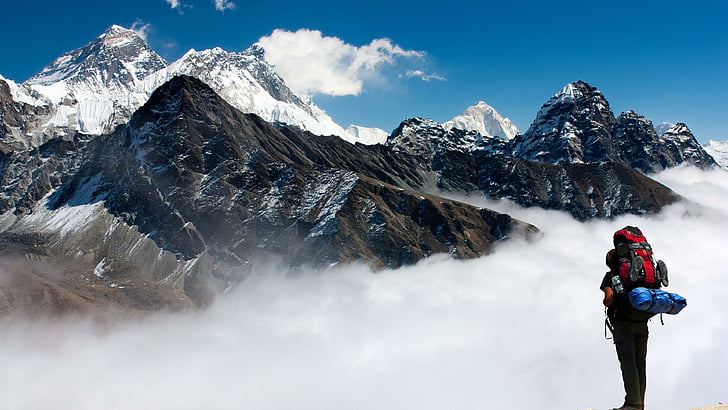
The Thin Air of Ambition I arrived in Kathmandu with a suitcase full of brand-new Gore-Tex and a heart full of ego. I had read the books, watched the documentaries, and convinced myself that the Himalayas were a playground for my personal triumph. I wanted the “summit photo.” I wanted the bragging rights. I wanted to stand at 17,000 feet and feel like I had conquered the world. But the mountain has a funny way of stripping you of your illusions. By day three of the trek toward Everest Base Camp, the “conqueror” in me was dead. He had been replaced by a person who was struggling to tie his shoelaces without gasping for breath. This is the secret they don’t tell you in the glossy travel brochures: you don’t climb the Himalayas to see the world; you climb them to see yourself. And sometimes, what you see in that high-altitude mirror is someone you barely recognize. The Ascent: Leaving the Noise Behind The journey begins in Lukla, a tiny airstrip carved into the side of a mountain that serves as the gateway to the Khumbu region. As soon as you step off that twin-otter plane, the air changes. It’s crisp, thin, and smells of pine needles and yak dung. For the first few days, the trail is a lush, vibrant corridor of life. You cross suspension bridges draped in colorful prayer flags that flutter in the wind, carrying mantras of peace to the corners of the earth. You walk through rhododendron forests where the trees are so old they seem to breathe. In these lower elevations, your mind is still busy. You’re thinking about your emails, your mortgage, the argument you had with your partner three weeks ago. You’re walking, but you aren’t there yet. Your brain is still moving at the speed of the city. But then, the trees start to disappear. The oxygen levels drop. The vibrant greens fade into a stark, lunar landscape of grey rock and white ice. This is the “Filter.” The higher you go, the more the unnecessary parts of your personality start to fall away. You don’t have the energy to worry about your social media engagement when you’re focusing on the simple, primal rhythm of: Step. Breathe. Step. Breathe. The Sherpa Wisdom: A Lesson in Humility On day five, I met a man named Pasang. He was a Sherpa carrying a load that looked like it weighed more than he did, yet he moved with a grace that made my expensive carbon-fiber trekking poles look like toys. We stopped at a small teahouse in Pangboche for ginger tea. I was complaining about my headache and the cold. Pasang just smiled, his face a map of deep-set wrinkles carved by years of high-altitude sun. “The mountain doesn’t move for you,” he said in broken English. “You must move for the mountain.” In the West, we are taught that nature is something to be managed, tamed, or “beaten.” We talk about “summiting” as if it’s a military victory. But to the people who actually live in the shadow of these giants, the peaks are deities. They are Sagarmatha (Mother of the World). You don’t “conquer” your mother; you respect her. You wait for her permission to pass. That conversation changed my entire perspective. I realized that my struggle wasn’t with the incline or the cold; it was with my own resistance to the reality of the moment. I was trying to rush a process that demanded patience. The Breaking Point at 15,000 Feet The “Wall” usually hits around Lobuche. At this altitude, there is roughly 50% less oxygen than at sea level. Your blood thickens, your heart races even while you’re sleeping, and every movement feels like you’re walking through waist-deep molasses. I woke up at 2:00 AM in a plywood-walled room, the temperature hovering well below freezing. I couldn’t breathe. Panic—cold and sharp—washed over me. I sat up, gasping, convinced that I had reached my limit. I wanted to go home. I wanted a warm bed, a fast internet connection, and the comfort of the familiar. But as I sat there, wrapped in a down sleeping bag, I realized that I couldn’t run away. I was three days’ walk from the nearest airstrip. I was trapped with myself. In that darkness, I had to confront the “Ego.” The part of me that only valued the destination. I realized that if I didn’t reach Base Camp, I wasn’t a failure. The “failure” was in not appreciating the incredible cathedral of ice I was currently standing in. I stopped looking at my watch and started looking at the moonlight reflecting off the face of Ama Dablam—the most beautiful mountain I had ever seen. The fear vanished. I realized that the pain was just a sensation, not a mandate to quit. The View from the Edge of the World When I finally reached the Khumbu Glacier, the sight was overwhelming. Huge towers of blue ice rose out of the ground like frozen waves. The sound was constant—the groan and crack of the glacier moving, the distant roar of an avalanche on a neighboring peak. It felt like being on another planet. I didn’t feel like a hero when I reached the rock pile that marked Base Camp. I felt small. Smaller than I had ever felt in my life. And in that smallness, there was a profound sense of relief. All the “big” problems of my life—the career anxieties, the social pressures, the self-doubt—shrank to the size of pebbles. Standing at the foot of the world’s highest peak, you realize that the universe is vast, ancient, and indifferent to your “To-Do” list. There is a deep, quiet joy in realizing that you aren’t the center of the world. The Descent: Bringing the Mountain Home The walk down is always faster, but it is often harder. Your knees ache, and the “real world” begins to beckon. You start to hear the hum of electricity again.

Travelling

The Table of Strangers: How a Missed Train in Italy Fed My Soul

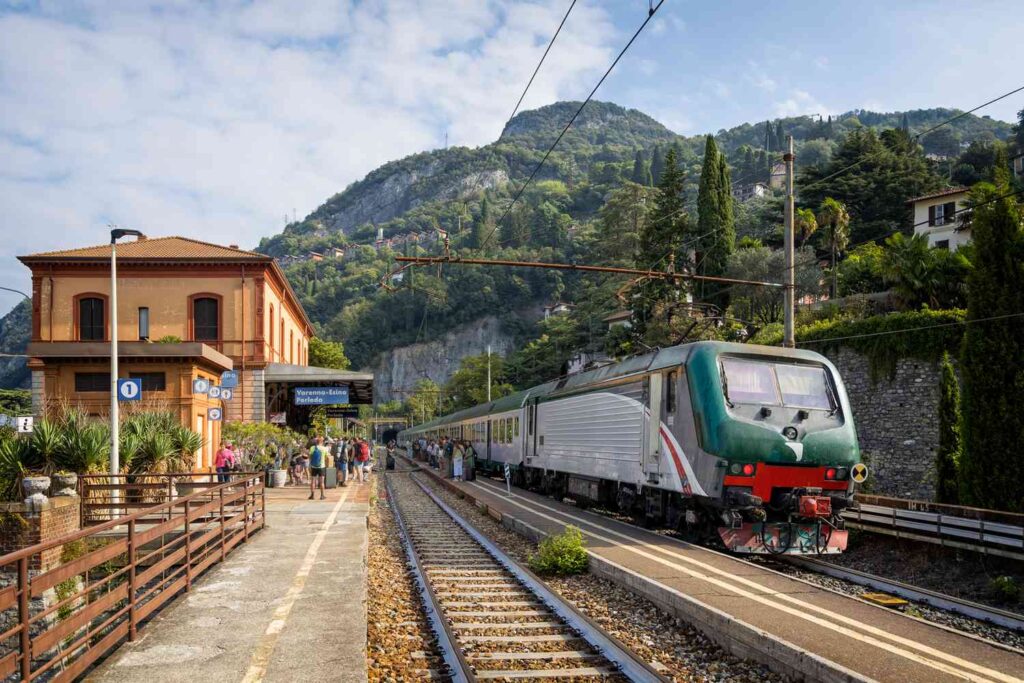
The Best-Laid Plans I am a planner. My travel itineraries are usually works of art—color-coded spreadsheets, pinned Google Maps locations, and restaurant reservations made months in advance. I find comfort in the “known.” But as any seasoned traveler will tell you, Italy has a way of laughing at your spreadsheets. It was a blistering Sunday afternoon in Puglia, the “heel” of Italy’s boot. I was supposed to be on a high-speed train toward the polished streets of Florence. Instead, I was standing on a sun-bleached platform in a town called Bitonto—a place that wasn’t on my list, wasn’t in my guidebook, and certainly wasn’t where I wanted to be. The train had been cancelled. My phone battery was at 4%. The station master had shrugged with that classic Italian “pazienza” and closed his window for a three-hour siesta. I sat on my suitcase, the heat radiating off the stone, feeling the familiar prickle of “traveler’s panic.” I thought I had lost a day of my vacation. I didn’t realize I was about to find the heart of it. The Rescue of Nonna Rosa As I sat there, trying to figure out how to navigate a town with zero English signage, an elderly woman emerged from a stone doorway across the piazza. She was dressed in black, her silver hair pulled into a tight bun, and she was carrying a bag of lemons. She stopped, squinted at me—the sweating, frustrated foreigner—and let out a sharp, rhythmic string of Italian. I understood two words: “Caldo” (hot) and “Vieni” (come). I hesitated. We are taught from childhood not to follow strangers. But there was something in her eyes—a blend of authority and ancient kindness—that bypassed my logic. I picked up my bag and followed her into the cool, dark shade of an alleyway so narrow I could touch the walls on both sides. The Language of the Senses Her apartment was small and smelled of things I can only describe as “ancestral”: dried oregano, old wood, and a simmering tomato sauce that seemed to have been cooking since the dawn of time. We had no common language. She spoke a thick Pugliese dialect; I spoke “Duolingo Level 1.” But as we sat in her kitchen, the communication was clearer than any Zoom call I’d ever had. Within twenty minutes, more people began to arrive. This was Sunday, after all. In Southern Italy, Sunday lunch is not a meal; it is a sacred ritual. Her son, a carpenter with hands like sandpaper; his wife, who smelled of flour; and three children who looked at me as if I were a visitor from Mars. The 12-Course Symphony I was ushered to a long wooden table. I tried to explain that I didn’t want to be a burden, but Nonna Rosa simply slapped a plate of Orecchiette (ear-shaped pasta) in front of me and said, “Mangia!” (Eat!). For the next three hours, I was treated to a masterclass in Italian hospitality. The conversation was a chaotic, beautiful mess. They asked about New York. I used my hands to mimic skyscrapers. I asked about the town. They told me stories of the cathedral and the olive groves. We laughed until our ribs ached, not because the jokes were particularly funny, but because the sheer absurdity of the situation—a stranded traveler and a family of locals sharing a life—was joyful. The Philosophical Shift: Guest vs. Consumer As I sat there, a realization hit me with the force of a tidal wave. For the first half of my trip, I had been a consumer. I had been “buying” experiences: tickets to museums, hotel rooms, guided tours. I was looking at Italy through a glass window. But at this table, I was a guest. There is a profound difference between the two. A consumer demands; a guest receives. A consumer looks for flaws; a guest looks for connection. By missing my train, I had accidentally stepped through the glass. I wasn’t watching a culture; I was being absorbed by it. The Italians have a phrase: Il dolce far niente—the sweetness of doing nothing. For the first time in years, I wasn’t checking my watch. I wasn’t thinking about my “next move.” I was simply present in the scent of basil and the sound of boisterous laughter. The Bittersweet Goodbye When the siesta hours ended and the sun began to dip, the son insisted on driving me to the next major station. Nonna Rosa packed a small container of almond cookies into my bag and kissed me on both cheeks, her skin smelling like lavender soap. I tried to offer money. They looked offended. “You were our guest,” the son said in broken English. “Next time, you bring the wine.” I caught my train that evening, but I was a different person than the one who had sat crying on his suitcase four hours earlier. The “lost” day had become the most valuable 24 hours of my life. Why You Should “Lose” the Train I tell this story to inspire you to leave room for the “glitch” in your travel plans. We spend so much energy trying to avoid mistakes, but the mistakes are often where the magic lives. When you go on your next trip, I challenge you to: Conclusion: The Real Souvenir I don’t remember much about the museums in Florence. They were beautiful, yes, but they were static. What I remember is the way Nonna Rosa rolled the dough under her thumb. I remember the sound of the children’s laughter. Travel isn’t about the landmarks; it’s about the humans who live in their shadows. The most expensive souvenir you can buy will never be as valuable as the memory of a shared meal with a stranger. Next time your train is cancelled, don’t curse the heavens. Look around. Someone might be holding a bag of lemons, waiting to invite you home. Tips for Cultivating Local Connections:

Travelling

The Silence of the Sahara: What 72 Hours in the Dunes Taught Me About Noise

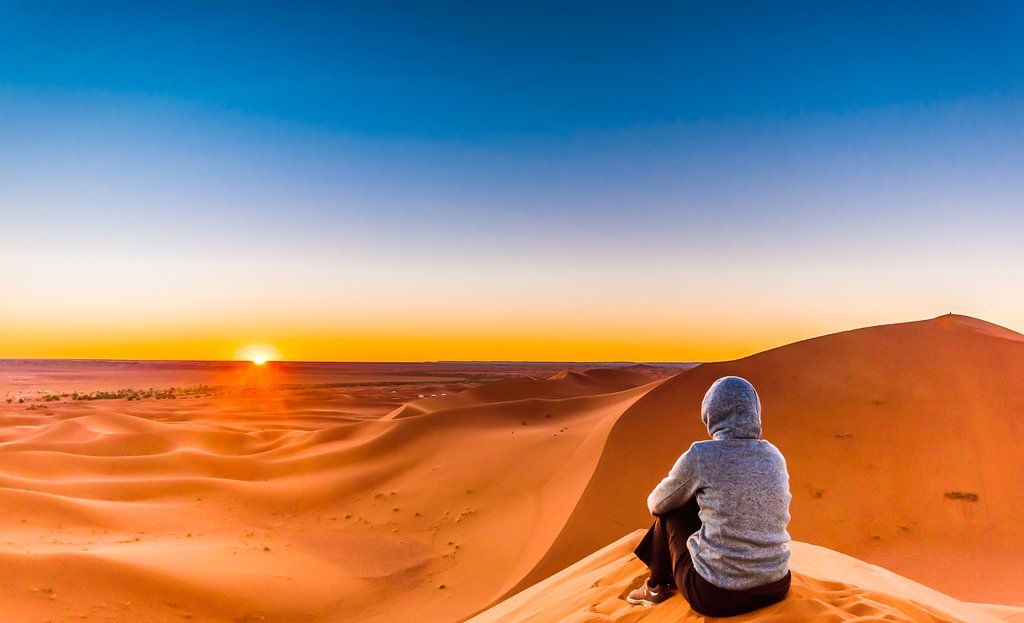
The Last Signal The “No Service” icon appeared on my phone screen somewhere between the high mountain passes of the Atlas and the red-rock valleys of the Drâa. At first, it felt like a mild itch—a reflexive urge to check an email that didn’t exist or scroll through a feed I had already seen. But as our 4×4 pushed deeper toward the edge of the Erg Chebbi dunes, that itch turned into a profound, terrifying realization: I was officially unreachable. In the modern world, we are never truly alone. We carry a pocket-sized tether to the rest of humanity at all times. We live in a constant hum of pings, vibrations, and digital demands. But as I stepped out of the vehicle and onto the cooling sands of the Sahara at dusk, the hum stopped. I didn’t find the silence I expected. I found something much heavier. I found a silence that felt like a physical weight—a silence that didn’t just exist around me, but began to seep into me. The Geography of Emptiness The Sahara is not just a desert; it is a psychological frontier. Stretching across a vast portion of Africa, it is a landscape that defies human scale. Standing at the base of a dune the size of a skyscraper, you realize that you are an ant in a cathedral of dust. The first 24 hours were the hardest. This is what I call the “Withdrawal Phase.” My brain, conditioned by years of high-speed internet and city chaos, was still searching for a “task.” I found myself checking my wrist for a watch I wasn’t wearing. I found myself mentally composing tweets about the sunset instead of actually watching it. Our guide, a man named Brahim who had been born into a nomadic family, watched me with a quiet, knowing amusement. He didn’t carry a watch. He didn’t have a GPS. He moved with a rhythmic, unhurried pace that seemed synchronized with the movement of the sun. “In the city, you have clocks,” he told me as we brewed the first of many glasses of mint tea. “In the desert, we have time.” The Sensory Reset: The Language of Sand By the second day, something shifted. When you remove the noise of engines, notifications, and chatter, your other senses begin to “wake up” to fill the void. I began to notice the sound of the wind. In the Sahara, the wind doesn’t just blow; it sings. It whistles through the sharp ridges of the dunes, creating a low, resonant drone that sounds like a cello. I began to notice the temperature of the sand—the way it stayed scorching hot an inch below the surface even as the evening air turned freezing. And then there was the light. We think we know what “red” or “gold” looks like, but the Saharan sun at 5:00 PM is a color that doesn’t exist in the city. It is a thick, syrupy amber that turns the dunes into waves of liquid fire. For the first time in my life, I wasn’t trying to capture it on a camera. I was just… letting it happen. The silence began to change from something “empty” to something “full.” It was no longer the absence of sound; it was the presence of a deep, ancient peace. Facing the Internal Noise On the second night, I walked away from our camp. I climbed a ridge of sand and sat down, facing the vast, dark expanse that stretched toward the Algerian border. When the external world goes silent, the internal world gets very loud. Without a screen to distract me, I had to face my own thoughts. I realized how much of my daily life was spent “performing”—worrying about my image, my productivity, my status. The desert doesn’t care about any of that. The sand doesn’t give you a “like.” The wind doesn’t care about your job title. I sat there for three hours. I thought about my childhood. I thought about my regrets. I thought about the people I loved and hadn’t called in months. In the silence of the Sahara, I couldn’t lie to myself. The desert acted as a mirror, reflecting back the parts of my life that were cluttered with unnecessary “noise.” It was uncomfortable. It was raw. And it was exactly what I needed. The Galaxy Above: A Lesson in Perspective If you have never seen a desert sky, you have never truly seen the stars. In our light-polluted cities, we see the “greatest hits”—the Big Dipper, Orion, perhaps a faint smudge of the Milky Way. In the Sahara, the sky is a riot. The stars don’t just sit there; they vibrate. They are so bright and so numerous that they cast shadows on the sand. Looking up, I felt a dizzying sense of “Arrival.” I realized that this was the same sky the first humans looked at. This was the sky that guided the caravans for millennia. In that moment, my “big” problems felt deliciously small. There is a great freedom in realizing your own insignificance. If the universe is this vast and this beautiful, then my failed project at work or my social anxieties are nothing more than a grain of sand in a storm. I felt a profound sense of relief. I wasn’t the center of the world, and that was the best news I’d heard in years. The Return: Bringing the Desert Home Leaving the dunes on the third day felt like waking up from a deep, restorative sleep. As we approached the first paved road, the sound of the engine felt violent. The first bar of signal on my phone felt like an intrusion. But I had changed. I realized that while I couldn’t stay in the desert forever, I could carry the “Sahara State of Mind” back with me. I learned that silence is not something you find; it is something you protect. I learned that “being busy” is often just a way of avoiding

Travelling

The Digital Nomad Blueprint: How to Work from Anywhere Without Losing Your Mind

Introduction: The Dream vs. The Reality The “laptop on the beach” photo is a lie. Sand gets in the keyboard, the sun makes the screen unreadable, and the Wi-Fi is nonexistent. Working remotely while traveling requires military-grade discipline. Finding the Perfect Base Not all cities are nomad-friendly. You need the “Nomad Trinity”: The Gear for Productivity Routine is Your Best Friend Without a 9-5 structure, it’s easy to either work 16 hours a day or not work at all. Taxes and Visas: The Boring (but Vital) Part In 2026, many countries have “Digital Nomad Visas.” Don’t work on a tourist visa if a nomad visa is available; it protects you legally and often provides tax benefits.

Travelling

The Solo Traveler’s Guide to Loneliness, Safety, and Total Freedom

Introduction: The Scary First Step “Aren’t you afraid?” That is the first question every solo traveler gets asked. The truth? Yes, we are. But fear is just excitement without breath. Solo travel is the ultimate “Coming of Age” ritual for adults. The Safety Architecture Safety isn’t about luck; it’s about systems. Solving the Loneliness Problem The paradox of solo travel is that you are rarely alone. The “Table for One” Confidence Eating alone is the final boss of solo travel. Pro tip: Bring a book or a journal. It gives you a “purpose” and makes you look like an intriguing writer rather than a lonely tourist. The Self-Discovery Aspect When you travel with others, you compromise on everything: where to eat, when to wake up, what to see. When you travel alone, you discover who you actually are when no one is watching.

Travelling

The Carry-On Only Manifesto: Pack for 3 Months in 30 Minutes

Introduction: Why Your Suitcase is a Prison Check-in fees, lost luggage, broken wheels on cobblestone streets, and the sheer weight of “stuff.” Carrying a large suitcase is the fastest way to ruin a trip. The Rule of Three You only ever need three of anything: The Fabric Revolution If you want to pack light, you must stop packing cotton. Cotton is heavy, absorbs odors, and takes forever to dry. The Tech Stack Stop carrying a laptop if you don’t work on the road. A powerful smartphone and a foldable Bluetooth keyboard can handle 90% of travel tasks. Use a “GaN” charger—a tiny block that can charge your phone, laptop, and headphones simultaneously. The Packing Cube System Think of packing cubes as “drawers” for your backpack. Toiletries: The “Solid” Secret Liquids are the enemy of carry-on travel. Switch to solid shampoo bars, solid deodorant, and toothpaste tabs. You’ll never have to pull out a plastic bag at security again. Conclusion: The Lightness of Being When you can walk off a plane and straight into the city without waiting at a baggage carousel, you feel like a superhero. You are mobile. You are free.

Travelling

The $50-a-Day Global Blueprint: How to Travel the World When You’re Not Rich

Introduction: The Great Travel Lie The travel industry wants you to believe that “real” travel requires a luxury budget. They want you to buy the $400-a-night hotel and the $150 guided bus tour. I am here to tell you that the most rewarding travel happens when you are forced to be scrappy. The Math of the Shoestring Budget To travel for $50 a day, you have to master the “Big Three”: Transport, Accommodation, and Food. 1. Strategic Flight Hacking Stop using Google Flights the wrong way. Use the “Everywhere” feature on Skyscanner. Instead of picking a destination and finding a price, pick a price and find a destination. 2. The New Frontier of Lodging Hostels are great, but have you tried House Sitting? Platforms like TrustedHousesitters allow you to stay in luxury homes for free in exchange for feeding a cat or watering plants. 3. Eating Like a King on a Peasant’s Budget If you eat three meals a day at restaurants, your budget is dead. The Hidden Costs: Slowing Down to Save Money The faster you move, the more you spend. Transport is expensive. If you spend two weeks in one region of Vietnam instead of trying to see the whole country, you save hundreds on flights and trains. Conclusion: Freedom Over Luxury Budget travel isn’t about deprivation; it’s about prioritization. Would you rather have one week in a 5-star hotel, or six months of freedom on the road?

Travelling

The Art of the “Invisible” Traveler: 10 Secrets to Blending In and Staying Safe Anywhere

Introduction: The “Target” on Your Back We’ve all seen them: the traveler standing in the middle of a busy Roman piazza, draped in expensive gear, staring at a giant paper map, looking utterly overwhelmed. In the travel world, this is known as “The Beacon.” You are signaling to every pickpocket, scam artist, and overpriced “tourist trap” owner that you are a prime target. But what if you could move through a city like a ghost? What if you could experience Paris, Cairo, or Tokyo not as a spectator, but as a part of the landscape? This is the art of “Invisible Travel.” Over the next 1,500 words, we are going to deconstruct the psychology of the tourist and rebuild you into a savvy, blended-in traveler. The Psychology of Dress: Beyond the Zip-Off Cargo Pants The first mistake travelers make is dressing for a safari when they are going to a metropolitan city. Unless you are actually hiking the Andes, you don’t need technical gear. In Europe, people dress “smart-casual.” Mastering the “Walk”: The Body Language of a Local Locals walk with purpose. They know where they are going. Even if you are hopelessly lost, never stop in the middle of the sidewalk to check your phone. Duck into a cafe, order an espresso, and check your map there. The Digital Ghost: Tech Safety In 2026, your greatest vulnerability isn’t your wallet; it’s your data. Cultural Intelligence (CQ) Blending in isn’t just about clothes; it’s about volume. Americans and Australians are often identified by their voice volume. Lower your decibels. Observe how locals interact at a market. Do they haggle? Do they point? Mimicry is the highest form of safety. Conclusion: The Reward of Invisibility When you stop looking like a dollar sign, the world opens up. Locals are more likely to strike up a genuine conversation, and you’ll find yourself invited into the “real” version of the country you came to see.

Scroll to Top